

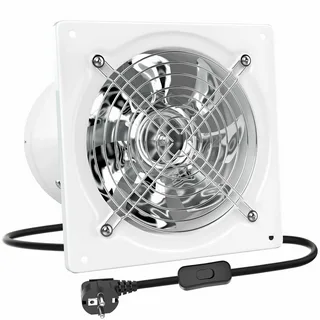
An industrial exhaust fan keeps the air in your factory fresh, cool and safe. Hot air, dust, smoke and fumes build up fast in closed spaces. Workers feel tired, machines run hot and work slows down. At Lahore Fan, we help factory owners, workshop managers and warehouse teams fix this problem. In this guide, we explain how these fans work, which type fits your space and what to check before you buy.
What Is an Industrial Exhaust Fan and Why Does Your Factory Need One?
An industrial exhaust fan pulls stale air out of a building. Fresh air then enters through doors, windows or vents. This simple flow changes the whole work space.
Think about a textile unit, a food plant or a metal workshop. Heat, dust and fumes fill the room within hours. Without strong airflow, the air stays heavy and unsafe. Workers cough, tire quickly and make more mistakes. A good factory exhaust fan solves this problem at the source.
How a Factory Exhaust Fan Works
The fan has a motor, a set of blades and a strong frame. The motor spins the blades. The blades push air in one direction. Hot air, smoke and smells leave the room. Fresh air takes their place. This cycle repeats all day and keeps the room comfortable.
Key Benefits for Your Workplace
A proper ventilation fan gives you many gains:
- Cooler rooms, even in the peak summer months
- Cleaner air with less dust and fewer fumes
- Safer workers who stay alert on long shifts
- Longer life for machines that run hot
- Less moisture that damages stock and walls
Where Industries Use These Fans
Many businesses depend on strong airflow. Garment factories, flour mills, kitchens, poultry farms and paint shops all use exhaust fans. Warehouses and workshops use them too. If your space gets hot or smelly, you need one.
Pakistan has long, hot summers. Factory floors in Lahore can feel like ovens by noon. Good airflow cuts that heat and helps your team finish the day with energy.
Types of Industrial Exhaust Fan You Can Choose From
Not every industrial exhaust fan suits every building. Each type has a clear job. Pick the wrong one and you waste power and money.
Wall-Mounted Exhaust Fans
Wall fans sit in an outer wall. They work well in workshops, kitchens and small factories. They push air straight outside. Fitting is easy and upkeep is low.
Roof-Mounted Exhaust Fans
Roof fans suit large halls with high ceilings. Hot air rises, so roof fans catch it where it gathers. Warehouses and big production halls use them a lot.
Axial and Centrifugal Fans
Axial fans move large amounts of air in a straight line. They suit open spaces with little resistance. Centrifugal fans push air through ducts and filters. They handle dust, smoke and heavy loads better. Ask yourself one question first. Does the air travel through pipes or filters? If yes, a centrifugal fan usually works better.
Heavy-Duty Metal Body Fans
Some jobs need a tough body. Paint shops, chemical rooms and foundries need strong metal casings. These fans resist heat and rust. They last for years under hard use.
How to Choose, Install and Maintain Your Industrial Exhaust Fan
A fan that is too small cannot clear the air. A fan that is too big wastes electricity. You need a good balance.
Measure Your Room First
Start with the size of your space. Measure the length, width and height. Multiply them to get the room volume. Then decide how many times per hour you want to change the air. Kitchens and paint shops need more changes. Dry storage needs fewer.
Check Airflow and Blade Size
Look at the airflow rating on the fan. Makers show it in cubic feet per minute. A higher number means more air moves each minute. Larger blades also move more air at lower speed, which keeps noise down.
Think About Noise and Power Use
Noise matters in a busy workplace. Choose a fan with balanced blades and a quality motor. Copper winding motors run cooler and use power well. Check the voltage and phase of your supply before you order.
Place the Fan in the Right Spot
Fit the fan where hot air gathers, usually high on a wall or on the roof. Keep a clear path for fresh air to enter on the opposite side. Without an inlet, the fan struggles and wears out fast. Hire a skilled electrician for the wiring.
Keep It Clean and Running Well
Dust on the blades slows airflow and strains the motor. Clean the blades and the guard every month. Oil the bearings as the maker advises. Check belts and screws often. Small habits like these add years to your fan.
Ceiling Fan Brands in Pakistan and Industrial Fan Quality
Many buyers start by looking at ceiling fan brands in pakistan. That is a smart move. A brand with strong ceiling fans often builds good exhaust fans too. The motor and blade skills carry over.
What to Look for in a Trusted Brand
Good brands share a few habits. They use pure copper wire. They test every motor before sale. They offer clear warranty terms and real after-sales help. They also keep spare parts in stock. At Lahore Fan, we follow these same standards in every fan we sell.
Why Local Support Matters
A fan can fail at the worst time. You need quick help from a team nearby. A local brand answers calls, sends technicians and replaces parts fast. That saves you from long production stops.
Check Build Quality by Hand
Touch the body. Spin the blades. Listen to the motor. Smooth rotation and a firm frame show good quality. Rattles and loose screws show poor work.
Fans Price in Pakistan: What Shapes the Cost of an Industrial Exhaust Fan
Buyers often search for fans price in pakistan before anything else. Costs change from one model to the next. We will not list numbers here, but we can explain what drives them.
Size and Motor Power
Bigger blades and stronger motors cost more to build. A heavy-duty motor also costs more than a basic one. Match the power to your real need. Do not pay for extra power you never use.
Material and Build
Steel, aluminium and coated metal each carry a different cost. Coated bodies resist rust and last longer. They cost more at the start but save money over time.
Running Cost and Warranty
Look beyond the first payment. An efficient motor lowers your monthly power bill. A solid warranty protects you from repair costs. The cheapest fan often becomes the most expensive one after two years. Compare the full picture before you decide.
Conclusion
The right industrial exhaust fan protects your team, your machines and your stock. Measure your space, pick the right type and check the build quality. Compare brands with care, and look at the full cost, not just the first payment. A good fan pays you back every day through cleaner air, cooler rooms and a happier team.
At Lahore Fan, we offer strong, reliable fans for every working space. Ready to order? Contact our team today and get expert help to find the right industrial exhaust fan for your factory.
Frequently Asked Questions
What is an industrial exhaust fan used for?
It removes hot air, dust, smoke and fumes from large spaces. It also brings in fresh air. Factories, kitchens, farms and warehouses use it every day.
How many exhaust fans does my factory need?
It depends on your room size and your work type. A hot, dusty space needs more air changes. Our team can check your space and suggest the right number.
Which is better, an axial or a centrifugal fan?
Axial fans suit open rooms with free airflow. Centrifugal fans suit ducts, filters and heavy dust. Your layout decides the best choice.
How can I learn about fans price in pakistan for my model?
Send us your room size, your work type and your power supply. We then guide you toward the right fan and explain your options.
How often should I service my exhaust fan?
Clean the blades every month. Check the motor, bearings and screws every three months. Regular care keeps the fan quiet and strong.
Can I use an industrial exhaust fan in a small shop?
Yes. A small wall-mounted model works well in shops, kitchens and small workshops. Pick a size that matches your room.